
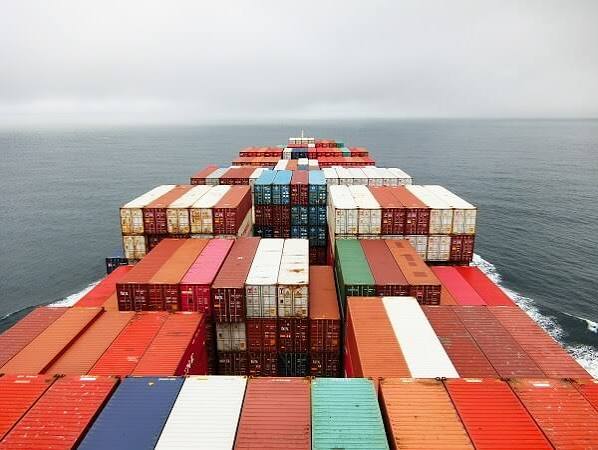
Have you seen big metal boxes traveling by truck, ship, or train? You thought it was just a container? Wait! Sea containers are versatile, more than you can imagine. They are the backbone of the shipping industry, but they also double up as pop-up shops and granny flats. Whether you are working in the shipping industry or thinking about a DIY project, here’s what you need to know about sea containers and their measurements.
What are shipping containers?
Shipping containers are sturdy rectangular steel boxes. They transport goods across land and sea. They can withstand all sorts of weather conditions and rough handling. They are popular in Perth and Fremantle. If you have ever been to the port in Fremantle, you might have seen stacks and stacks of these containers being loaded or unloaded. They move about just anything you could think of, from food to electronics and even cars.
Container sizes, and why do they matter?
Containers are available in different shapes and sizes. The size you choose depends on what you’re shipping or storing. Sea containers start at 20 feet and can go up to 40 feet. They are efficient for transporting goods and don’t take up too much space on the ship.
- 20-foot sea containers are compact and versatile. They are better for smaller shipments and can be converted into tiny homes or pop-up shops. A 20-foot container is around 2,200 kilograms, but it can also handle a maximum load of 28,000 kilograms.
- 40-foot containers are the bigger-sized containers. It doubles the length and volume but comes with a similar weight restriction. It maxes out at a 30,000 kilogram payload.
- Sea container measurements are necessary because they determine how many goods can fit into the container, how it is stacked, and whether it will fit onto trains and trucks and ships.
- Shipping companies in Fremantle follow strict standards for container measurements and ensure that containers can be loaded easily across the world’s ports.
- The 20-foot container has a standard measurement of 6.1 meters in length, 2.44 meters in width, and 2.59 meters in height.
- For a 40-foot container, double the length, and you’ll have the measurements.
- The height and weight of containers are consistent worldwide. This allows for easy stacking on cargo ships and standard loading and unloading equipment.
Uses of containers beyond shipping
Containers are used for shipping, but people have become creative with them recently, especially in Perth. Containers are being repurposed into cafes, retail spaces, and granny homes.
The standard size of the container makes them easy to stack and customize. Some cafes in Fremantle have started using the containers as pop-up shops. It creates a modern and industrial vibe, which is perfect for Perth’s laid-back lifestyle.
You can convert the container into a home, office, or even a workshop. It’s sturdy and weatherproof. It becomes a customizable space that can be picked up and moved if you get tired of the location. The best thing is that you’re recycling the container, which would have been sitting empty. It’s great for creativity and sustainability.
Whether you are shipping goods or dreaming of a new DIY project, reliable sea container transport services in Perth offer many possibilities. Standardized container measurements and flexible container size options make them a staple for global trade and also a great source of inspiration.